Specific Behavior Training

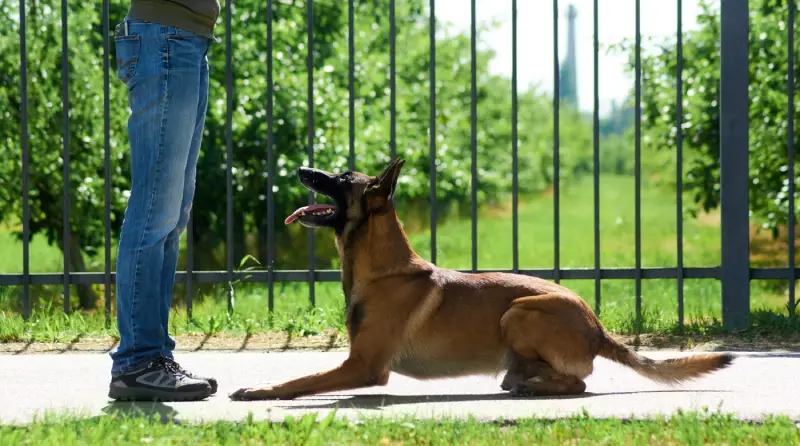
This Training Is For Those Situations Where You Don’t Need Or Want A Full Obedience Program. Maybe You Did The Training Yourself But Have A Weak Spot Or Two. Or Trained Elsewhere, But Did Not Get All Of The Desired Results. For Whatever Reason You Just Want To Work On One Or Two Specific Behaviors. The Two Most Common Calls I Get In This Area By Far Are For Leash Pulling/ Problems With Walking(Heeling) And Poor Recalls. (The Come Command) However, It Could Be For Any One/Two/ Few Things That You Want To Work On!

Specific Behavior Training ($75/HR)
🎉 Special Offer!
10% OFF for Students, Seniors, Military & First Responders.
🎉 Special Offer!
10% OFF for Students, Seniors, Military & First Responders.
Working with an experienced dog trainer helps ensure this balance between structure and compassion, creating the foundation for a lasting bond. Positive leadership is about fostering a bond based on mutual respect and positive reinforcement. It means you're the benevolent leader who sets clear boundaries while rewarding desired behaviors, helping your dog thrive emotionally and physically. This approach aligns with modern behavioral science, drawing from studies like those by the American Veterinary Society of Animal Behavior, which emphasize reward-based training over punishment. For a dog, this translates to a world where good choices lead to joy—think treats, play, and praise—rather than fear or confusion. To achieve positive leadership, start with self-awareness. As a consultant, I often tell clients that true leadership begins with you. Dogs are expert readers of human emotions; if I'm a dog, I can sense when my human is stressed or inconsistent, which makes me anxious or rebellious. Aim to be calm and assertive, not aggressive. This means managing your own energy: take deep breaths, stay patient, and avoid yelling or physical corrections. Research from the Journal of Veterinary Behavior shows that dogs respond best to leaders who exhibit "predictable control," providing structure without intimidation. An experienced dog trainer can teach you how to model this calm, consistent energy effectively.