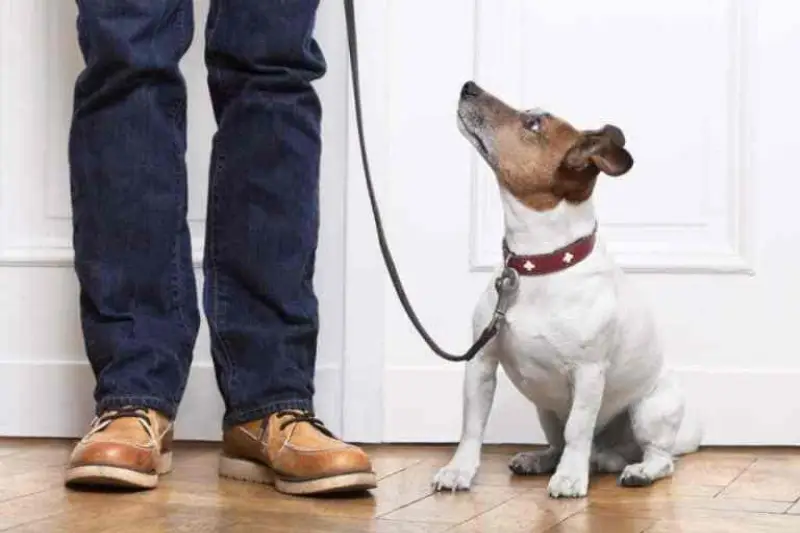
People often think of training as just a checklist of commands—sit, stay, come. Obedience training, however, goes much deeper than that; it builds communication, trust, and mutual respect between you and your dog. What truly matters isn’t just the actions your dog performs, but the mindset they develop. Effective training goes beyond correcting bad habits like jumping on guests or pulling the leash. It shapes a confident, well-adjusted companion who doesn’t just survive in your home but thrives in it.
Why Home-Based Obedience Training Works Best?
Dogs behave differently depending on the environment. A training class in a public setting can be helpful, but let’s be honest, most dogs act out at home, not in a classroom. That’s why our dog obedience training happens where it matters: your own property. When your dog is in a familiar, low-stress space, they’re more receptive. They’re not distracted by 10 other dogs, new smells, or an unfamiliar trainer’s tone. We show up, on your turf and train your dog one command at a time. The pace depends on their learning, not on a pre-set curriculum. And it works. A ten-week program with us can completely reshape your dog’s behavior, not just teach tricks, but improve responsiveness, focus, and emotional balance.
Commands Are Just the Start
Teaching commands is important. They’re the building blocks. But they’re not the goal. At Howies Happy Dog Training and Development, we don’t treat obedience like a one-size-fits-all routine. Our programs are designed around your dog, its breed, temperament, age, and past experiences. Every dog learns differently. Some respond fast with food rewards, others with praise. Some are hesitant, others overconfident. The real work begins when you understand why your dog behaves the way it does. Our obedience training programs go beyond surface behavior to help you create real, lasting change. That’s where the results stick.
Obedience Training Builds More Than Discipline
Here’s the thing: obedience training doesn’t just teach your dog how to behave. It teaches you how to lead. Dogs look for structure. They want to know where they fit in the pack. Without it, they get anxious. That’s where obedience training can change everything. Once your dog knows the rules, and more importantly, trusts that you’ll enforce them consistently, they relax. They stop testing boundaries. That’s when the real relationship starts. It’s not about dominance. It’s about clarity. Your dog doesn’t need a dictator. They need a guide who knows what they’re doing and shows up the same way every day.
Obedience Training for Every Age, Every Breed
We’ve trained everything from tiny rescues to powerful working dogs. The phrase “you can’t teach an old dog new tricks” might be catchy, but it’s dead wrong. Older dogs can learn. In fact, they often crave structure more than puppies do. And when it comes to puppies, early obedience training sets the tone for life. It helps prevent behavior problems before they start. You’re not just teaching manners, you’re wiring your dog’s brain to make better choices. Our years of experience, backed by credentials from institutions like Cornell, The Tom Rose School, and the West Virginia Canine College, have taught us that there is no such thing as an untrainable dog. There are only untailored approaches.
Why This Work Actually Matters?
You don’t need to be heading into competition to benefit from dog obedience training. Whether your dog’s just your best buddy or part of a service or support plan, a well-trained dog is a happier dog. Think about it: dogs that understand boundaries don’t live in a constant state of confusion. They know what’s expected. They feel safe. And owners? They feel proud, not frustrated. At Howies Happy Dog Training and Development, we’ve seen it all: dogs who were wild, timid, reactive, and stubborn. And we’ve watched them change. Because obedience training, done right, unlocks the version of your dog you always knew was in there. Learn about: “Advanced Dog Obedience and Behavior Modification”
Final Thought
If you’re considering dog obedience training, think bigger than “just commands.” Real training goes deeper. It changes how your dog sees the world, and how they see you. Whether you’ve got a new puppy or a longtime companion with a few rough habits, the team at Howies Happy Dog Training and Development is here to help. Our experience, our customized approach, and our deep understanding of canine behavior are what set us apart. Call us today. Let’s show you what real obedience training can do.


 Special Offer!